Blog post content
Plastic-Free July: reducing plastic waste for families in the UK
Plastic-Free July is an initiative aimed at raising awareness about the pervasive problem of plastic pollution and encouraging people to reduce their plastic consumption. For families in the UK, participating in Plastic-Free July can be both a challenge and a rewarding opportunity to make a significant impact on the environment.
Barracudas has an ongoing commitment to reducing our impact on the environment and protecting the plant for future generations, so this is right up our street.
Here we'll explore the current state of plastic use in the UK, share some stats to highlight the urgency of the issue, and offer practical tips for families looking to reduce their plastic waste.
The plastic problem in the UK: A snapshot
Plastic waste is a pressing environmental issue globally, and the UK is no exception. Understanding the scale of the problem can help underscore the importance of initiatives like Plastic-Free July.
Plastic Consumption and Waste
- Annual plastic usage: The UK produces around 5 million tonnes of plastic waste every year. A large portion of this comes from packaging, which is often used just once before being discarded
- Single-use plastics: Single-use plastics are a major contributor to the plastic waste problem. Items like plastic bags, bottles, straws, and packaging are used briefly but can take hundreds of years to decompose
- Recycling rates: While recycling is part of the solution, only 45% of plastic packaging waste is recycled in the UK. This means more than half of all plastic packaging ends up in landfills, incinerators, or, worse, the natural environment.
Environmental Impact
- Ocean pollution: Each year, millions of tonnes of plastic waste end up in the oceans, causing significant harm to marine life. The Great Pacific Garbage Patch is a stark example of the accumulation of plastic waste in our oceans
- Wildlife threats: Wildlife, both marine and terrestrial, suffer due to plastic pollution. Animals often mistake plastic for food, leading to ingestion that can be fatal
- Microplastics: As plastics break down, they form microplastics, tiny particles that contaminate water sources and enter the food chain, posing potential health risks to humans and animals alike
Statistics to Highlight the Urgency
- Plastic bottles: In the UK, 38.5 million plastic bottles are used every day, but only just over half are recycled
- Plastic bags: Although the usage of plastic bags has significantly reduced due to the carrier bag charge, the UK still uses around 1.2 billion single-use plastic bags annually.
- Takeaway packaging: The rise of takeaway food has led to an increase in plastic packaging waste, with an estimated 11 billion items of takeaway packaging used each year in the UK.
Tips for Families to Reduce Plastic Waste
Reducing plastic waste is a collective effort, and families can play a vital role by making small, manageable changes in their daily lives. Here are practical tips to help families in the UK reduce their plastic consumption during Plastic-Free July and beyond.
1. Start with a plastic audit
Begin by assessing the types and amounts of plastic your family uses. This can help identify key areas where you can reduce plastic consumption.
2. Reusable alternatives
Replace single-use plastics with reusable alternatives. Here are some swaps:
- Water bottles: Invest in stainless steel or glass water bottles for each family member
- Shopping bags: Use cloth or canvas bags for shopping instead of plastic bags
- Food storage: Replace plastic wrap with beeswax wraps and use glass containers for food storage
- Coffee cups: Carry reusable coffee cups for takeaways
3. Shop Smart
- Bulk buying: Purchase items in bulk to reduce packaging waste. Many stores offer bulk bins for grains, nuts, and other dry goods
- Local markets: Buy fresh produce from local farmers' markets, where items are less likely to be wrapped in plastic
- Eco-friendly brands: Support brands that use minimal or biodegradable packaging
4. DIY cleaning products
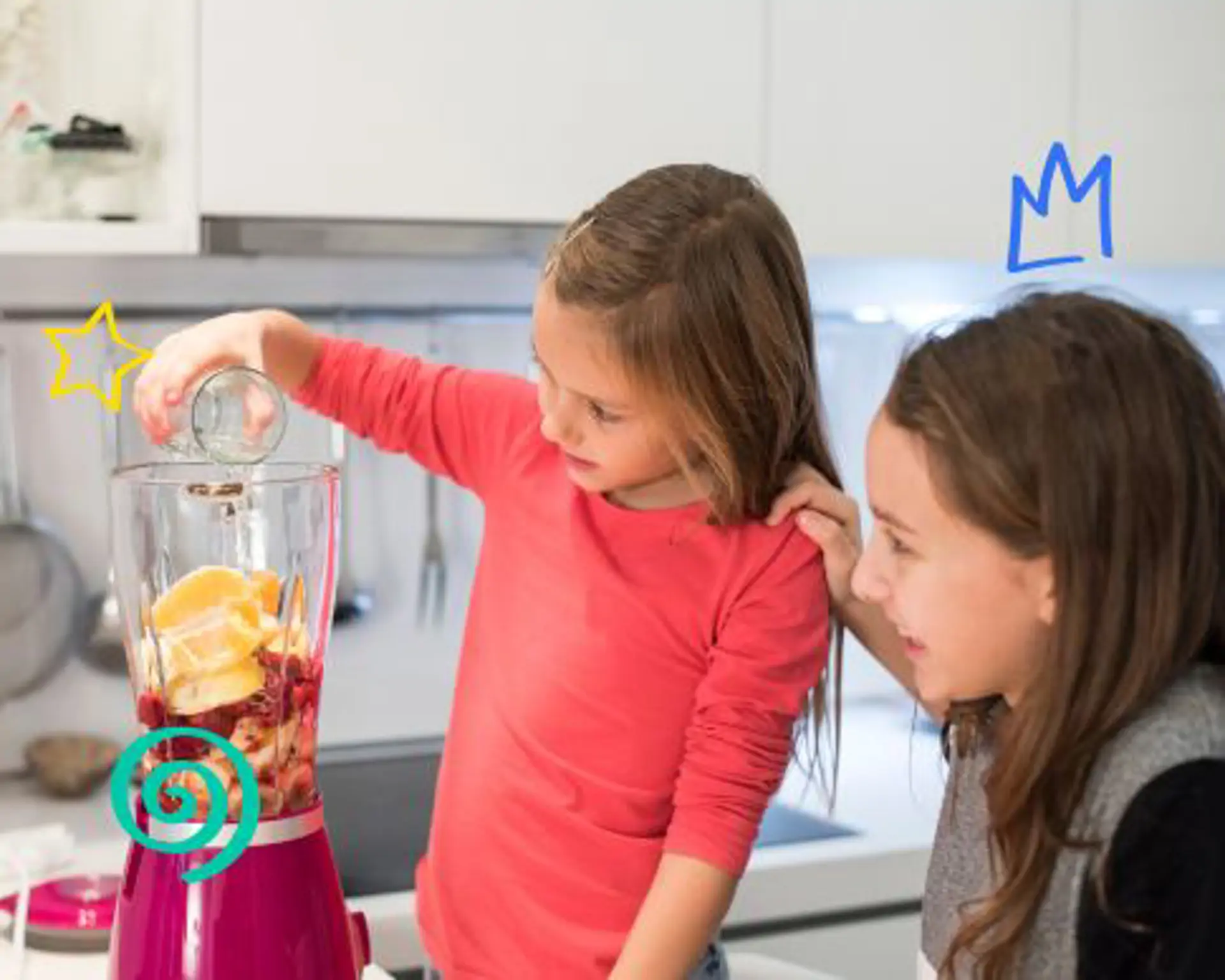
Many household cleaning products come in plastic containers. Consider making your own cleaning solutions using natural ingredients like vinegar, baking soda, and essential oils. If the homemade approach isn't your thing, there are a number of eco-friendly cleaning products now available and the options are growing as companies continue to innovate.
5. Bathroom Swaps
- Shampoo bars: Use solid shampoo bars instead of liquid shampoos in plastic bottles
- Soap bars: Replace liquid soaps and body washes with bar soaps
- Bamboo toothbrushes: Switch to bamboo toothbrushes instead of plastic ones
- Refill stations: Use refill stations for products like shampoo, conditioner, and hand soap
6. Pack Lunches Wisely
- Lunch boxes: Use reusable lunch boxes and avoid single-use plastic bags
- Reusable cutlery: Carry reusable cutlery sets instead of disposable ones
- Cloth napkins: Replace paper napkins with cloth napkins
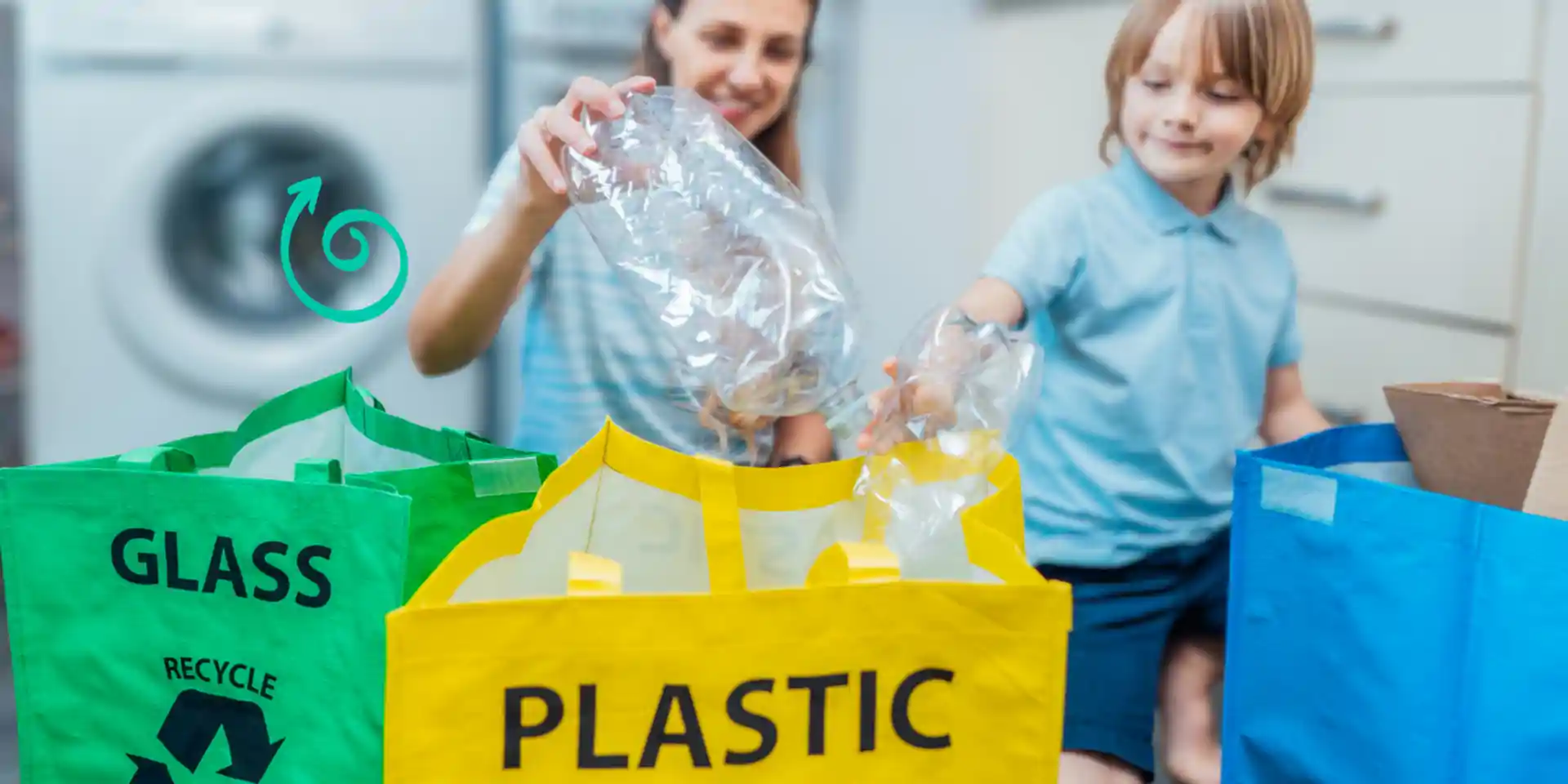
7. Educate and Involve Kids
Teach children about the importance of reducing plastic waste. Get them involved in activities like:
Plastic-free challenges:
- Set family challenges to go a day or a week without using any single-use plastics
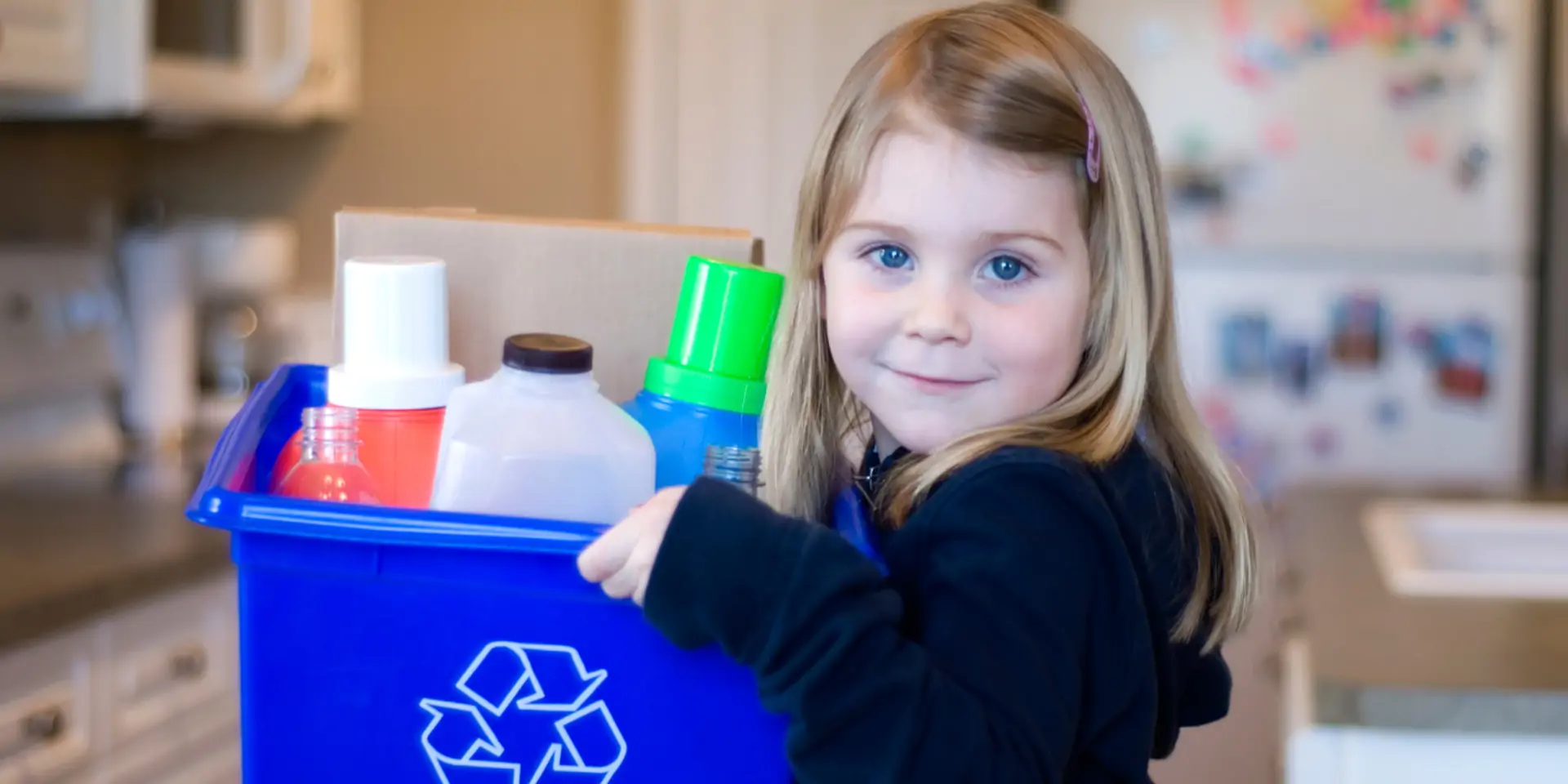
- Recycling projects: Create arts and crafts projects using recycled materials
- Nature walks: Take walks to clean up litter in local parks or beaches.
8. Say No to Plastic
Whenever possible, refuse plastic items. This includes:
- Straws: Say no to plastic straws and use metal or bamboo straws instead
- Plastic cutlery: Refuse plastic cutlery when ordering takeaway food
- Plastic bags: Refuse plastic bags at stores and use your own
9. Support Legislation
Support and advocate for local and national policies aimed at reducing plastic waste. This includes backing bans on certain single-use plastics and supporting initiatives to improve recycling infrastructure.
10. Compost
Compost organic waste to reduce the need for plastic trash bags. Many food scraps and biodegradable items can be composted, reducing overall household waste.
Positive results from small changes
Plastic-Free July is a powerful reminder of the impact of plastic waste on our environment and the urgent need for change. By adopting some or all of these tips, families in the UK can make a significant contribution to reducing plastic pollution.
Remember, every small step counts. By working together, we can create a cleaner, healthier planet for future generations.
Resources for Further Reading
Plastic-Free July Official Website
Friends of the Earth: Plastic Pollution
Greenpeace UK: Plastic Pollution
Join the Plastic-Free July movement today! Share your progress on social media using the hashtag #PlasticFreeJuly and inspire others to make a difference. Together, we can turn the tide on plastic pollution and create a sustainable future for our planet.