Blog post content
Helping Your Child Navigate Friendships: Tips for Parents
Friendships are an essential part of childhood, shaping children's social skills, self-confidence, and emotional wellbeing. But as any parent knows, making and maintaining friendships isn't always straightforward. From the joys of close bonds to the challenges of misunderstandings and social pressures, children face a variety of experiences in their friendship journeys. As parents, there's much we can do to guide and support them along the way. Here are some practical tips to help your child navigate friendships with confidence and empathy.
Understanding the Challenges of Friendship
Children face a variety of challenges when it comes to friendships. These can include:
Finding common ground: Especially for younger children or those with different interests, it can be tricky to find shared activities that foster connection
Navigating group dynamics: As children grow, they often experience the complexities of group friendships, including feeling left out, peer pressure, or jealousy
Resolving conflicts: Disagreements and misunderstandings are natural, but they can be difficult for children to manage without support
Transitions and changes: Moving schools, changes in friendship groups, or the arrival of new classmates can disrupt existing relationships and require children to adapt
Shyness or anxiety: For some children, the thought of initiating a conversation or joining a group can feel overwhelming
Recognising these challenges is the first step in offering meaningful support to your child.
Tips for Supporting Your Child
Model Positive Social Skills
Children learn a great deal by observing the adults in their lives. Show them how to listen actively, share, apologise, and resolve conflicts respectfully. Demonstrate kindness in your own friendships so they understand the value of empathy and mutual support.
Encourage Open Communication
Make sure your child knows they can come to you with any concerns about their friendships. Listen without judgement, validate their feelings, and help them think through possible solutions. Sometimes just knowing they're heard can make a huge difference.
Teach Problem-Solving Skills
If your child is struggling with a particular friendship issue, help them brainstorm ways to address it. Role-playing can be a helpful tool. For example, practise how they might approach a friend to resolve a conflict or ask to join in a game.
Foster Emotional Resilience
Explain that it's normal for friendships to have ups and downs. Help them understand that not all friendships last forever and that's okay. Encourage them to see challenges as opportunities to grow and learn.
Promote Inclusivity
Teach your child to be kind and inclusive, reaching out to classmates or peers who might feel lonely or left out. Emphasise the importance of treating everyone with respect, even if they're not part of their closest circle of friends.
Provide Opportunities to Socialise
Arrange playdates, encourage participation in clubs, or enrol your child in activities that interest them. These settings often provide a more relaxed environment for making friends outside the school context.
Keep an Eye on Group Dynamics
If you notice your child's mood changing due to friendship issues, such as being excluded or feeling pressured, step in. Gently guide them on how to assert boundaries, build self-esteem, and choose friends who treat them kindly.
Helping Children Manage Friendship Groups
Friendship groups can be both a source of support and a challenge. Here are some tips to help your child navigate group dynamics:
Recognise cliques vs. friendships: Teach your child to identify the difference between supportive friendship groups and cliques that might exclude or pressure others
Encourage balance: Remind your child that it's okay to have multiple friends and move between groups. They don't need to limit themselves to one circle
Support assertiveness: Teach your child how to express their needs and stand up for themselves in a positive way if a group dynamic becomes unhealthy
Celebrate diversity: Encourage your child to appreciate differences and connect with friends who might have different backgrounds, interests, or perspectives
Making Friends During the School Holidays
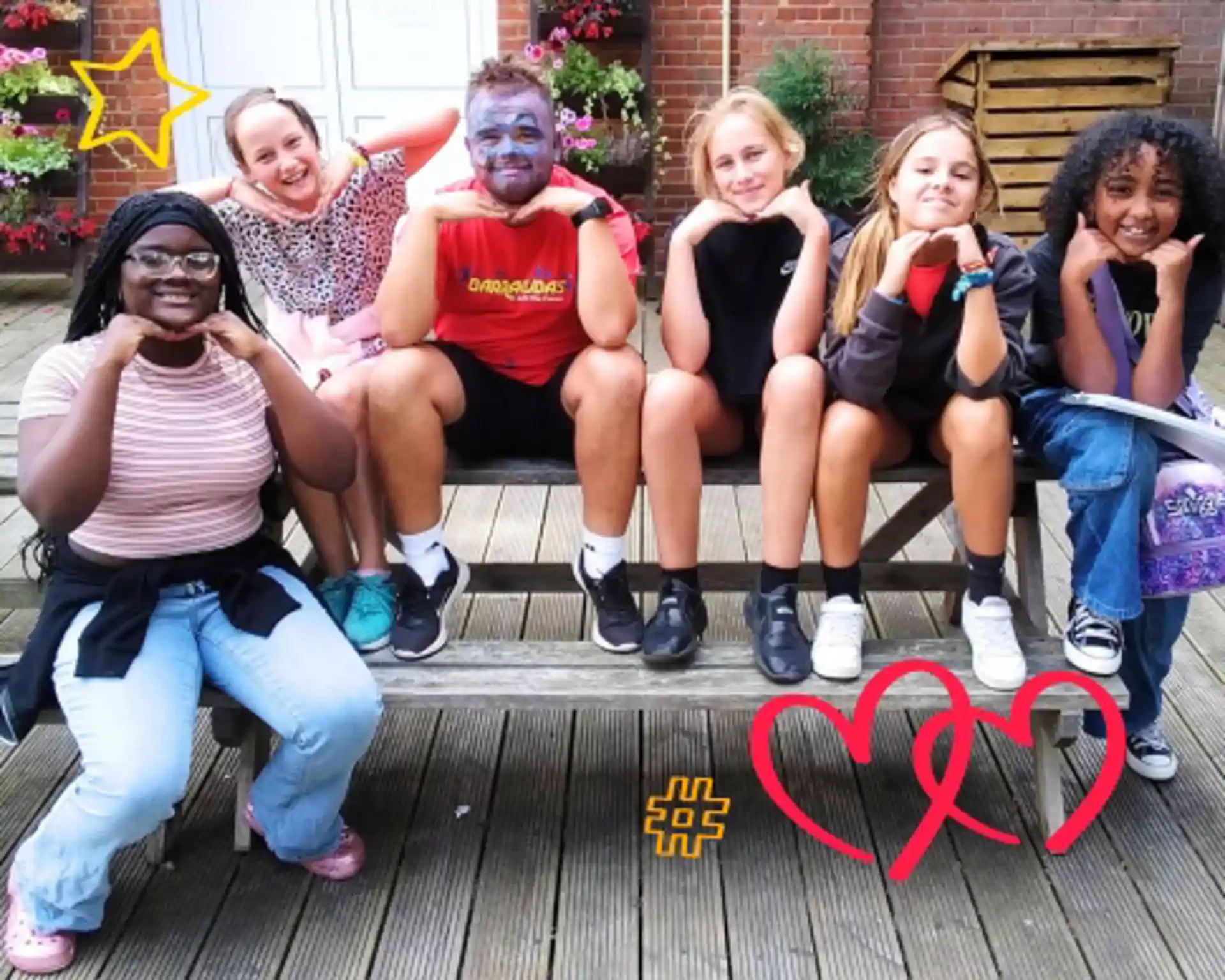
The school holidays can lead to social isolation, but an activity camp can be a brilliant opportunity for children to develop new friendships and social skills outside of their usual environment. At Barracudas we provide a safe, fun, and inclusive environment where children can meet peers from different schools and backgrounds. Here's how our camps help children make and manage friendships:
Peer groupings: Children are grouped with others of a similar age where the maximum age difference of children in a group will generally not be more than two years
Meet new children: There are always fresh faces on camp and children get the chance to meet a whole set of new friends, ecouraged and supported by our staff
Team-based activities: From sports to creative workshops, activities are designed to encourage teamwork and collaboration, helping children bond over shared goals
Supportive staff: Trained staff create a welcoming atmosphere and gently guide children in forming connections, ensuring everyone feels included
Confidence-building experiences: Trying new activities and stepping out of their comfort zones can help children build self-assurance, which naturally translates to more positive interactions with peers
Structured free time: During breaks, children have the opportunity to chat and play freely, developing social skills in a relaxed setting
The friendships formed at Barracudas often continue long after the holidays end, providing children with not only wonderful memories but also valuable social skills that will benefit them throughout life.
Final Thoughts
Friendships are a cornerstone of childhood, teaching children about empathy, communication, and resilience. By supporting your child in navigating the joys and challenges of friendships, you're giving them tools that will last a lifetime. And by encouraging experiences like those at Barracudas Activity Day Camp, you're opening doors to new connections and invaluable social development. With your guidance and encouragement, your child can thrive in their friendships and grow into a confident, empathetic individual.