Blog post content
🕊️ Peace Starts at Home:
Helping Kids (and Parents) Handle Family Conflicts
With International Day of Peace coming up on 21st September, it’s a great time to think about the kind of peace that really hits close to home. Because let’s be honest: while world peace sounds lovely, most of us are just trying to get through the day without another sibling showdown or family argument over who left the wet towel on the floor.
So, how do we help our kids (and ourselves) deal with conflict in a way that actually builds connection instead of chaos? Let’s dig into some practical tips and trusted resources that UK parents can turn to when things get a bit tense.
👧👦 Why Do Siblings Argue So Much?
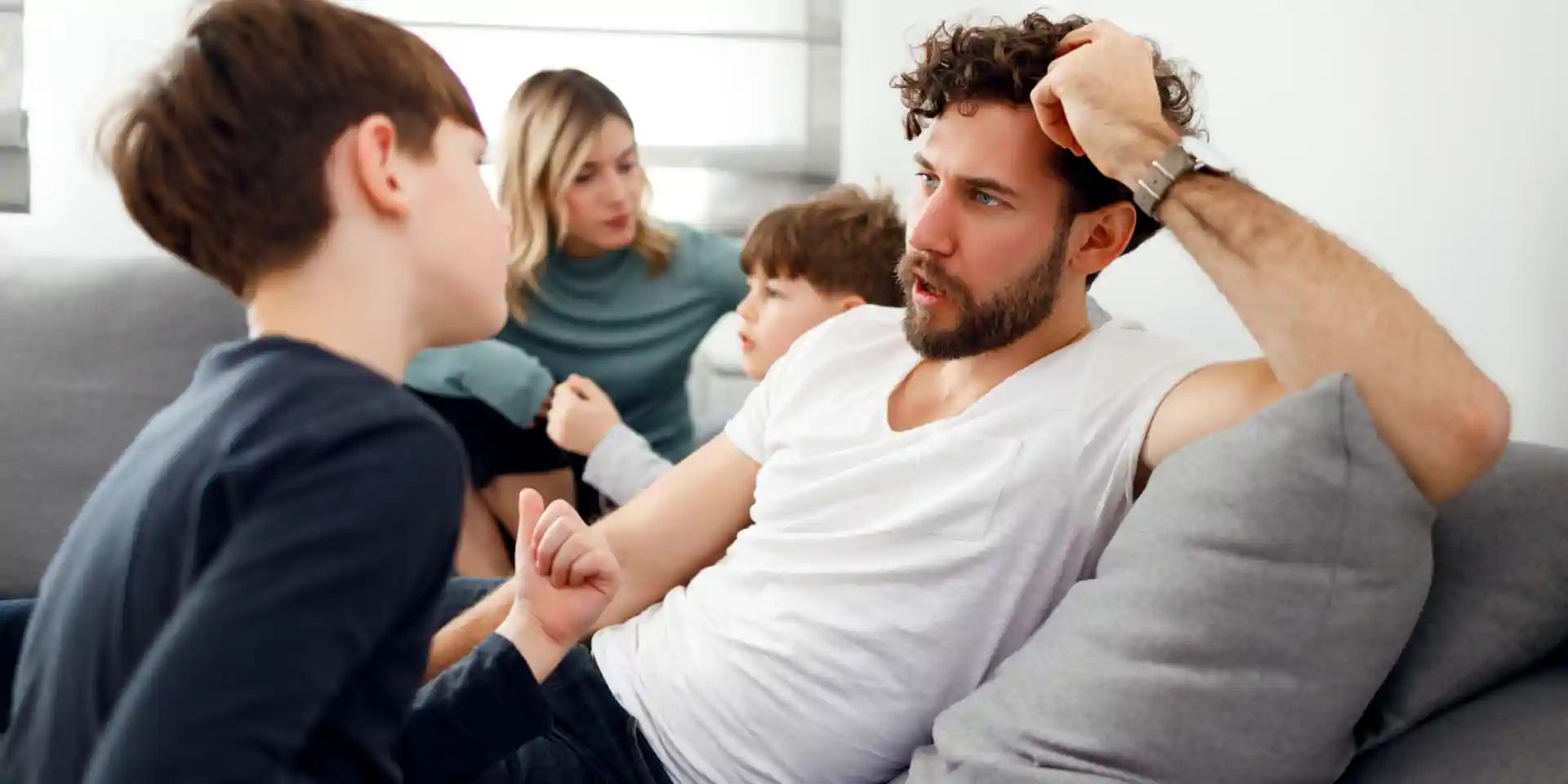
Sibling rivalry is totally normal. Children are still figuring out how to share, express themselves, and get attention. Most arguments come down to:
Competing for your time or approval
Age gaps and different needs
Feeling things aren’t “fair”
Being tired, hungry, or just bored
The goal isn’t to stop all the bickering, it’s to help kids learn how to handle it better.
🧠 Helping Kids Manage Big Feelings
Before we can expect children to sort out their disagreements, they need to learn how to deal with their emotions. Beacon Services UK has a brilliant way of explaining this using the Safe, Struggling, Drowning model (based on Dr Stephen Porges’ Polyvagal Theory). Basically, it helps kids understand when they’re calm, when they’re starting to lose it, and when they’re totally overwhelmed.
You can try:
Naming what they’re feeling: “You seem really annoyed right now.”
Using calming tools: deep breaths, quiet time, or sensory play
Playing games that teach turn-taking and self-control
Take a look at Beacon’s guide on managing sibling relationships, it’s full of great ideas.
🗣️ Talking It Out (Without Tears)
Family Action UK has some great advice on how to talk through tricky stuff. Whether it’s a sibling spat or a bigger family issue, communication is key, but it’s not always easy.
Here are a few tips:
Know what you want from the chat; are you setting a boundary or trying to reconnect?
Use “I” statements: “I feel upset when…” instead of “You always…”
If emotions are high, write it down first, it helps!
Their guide to difficult family relationships is a really helpful read.
🛠️ What Parents Can Do Day-to-Day
Family Lives UK has loads of practical tips for managing sibling rivalry. Some of the best ones include:
Catch them being kind: Praise cooperation when you see it
Let them figure it out: Don’t jump in too fast—kids need to learn how to resolve things
Set clear rules: Routines around sharing, screen time, and personal space help
Model good behaviour: Let them see you handle conflict calmly and respectfully
Their full sibling rivalry guide is well worth a look.
🌈 Creating a More Peaceful Home
Peace isn’t just about stopping arguments—it’s about building a home where everyone feels heard and valued. Here are a few ways to do that:
Family check-ins: Make space for everyone to share how they’re doing
Celebrate differences: Help your kids appreciate each other’s unique strengths
Teach repair: Encourage apologies, forgiveness, and making things right
📚 Handy UK Resources for Parents
Here are some trusted places to go when you need a bit of extra support:
Family Lives Parenting tips, helpline, sibling conflict advice Visit site
Family Action Support for relationships and mental health Explore resources
Beacon Services Emotional regulation tools and sibling support Learn more
Relate Family counselling and relationship support Find help
💬 Final Thoughts
Conflict is part of family life—but it doesn’t have to be destructive. With a bit of guidance, some patience, and a few good resources, we can help our children learn how to handle disagreements in ways that build empathy and connection.
So this International Day of Peace, let’s start small. Let’s start at home.