Blog post content
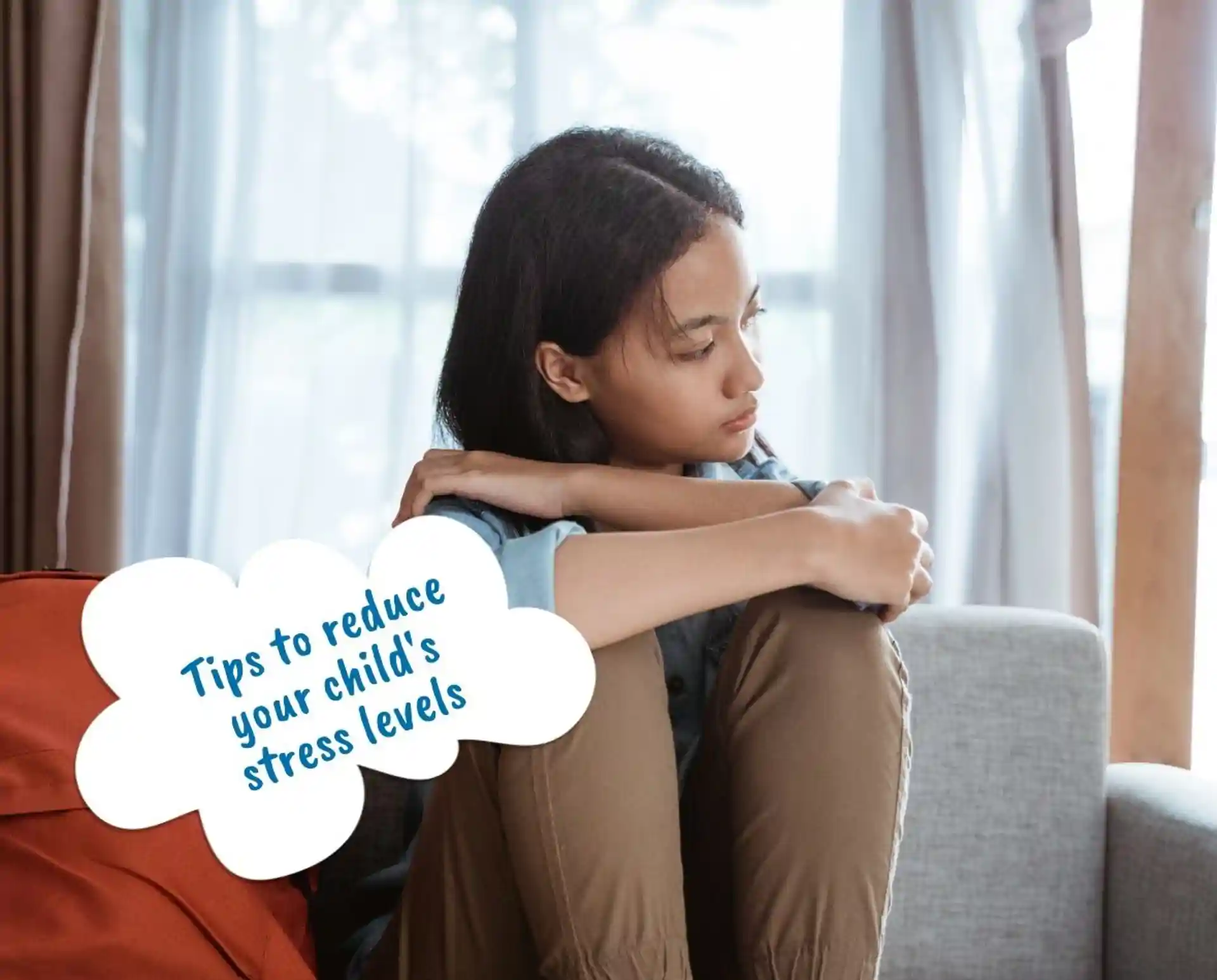
Tips to reduce stress in kids
This is the 30th year of Stress Awareness Month. Just like Barracudas, Stress Awareness Month began in 1992. Each April, this is an opportunity to raise awareness of the causes and cures of current stress issues.
This year, the theme is Community. With the recent challenges, now more than ever it’s important to reduce isolation and find community support to eleviate loneliness as we emerge from the pandemic, and face new challenges.
One of Barracudas key objectives is to improve wellbeing and support children's general development whilst they’re at camp. We’re right behind Stress Awareness Month again this year, and have a number of tips to help reduce stress for kids.
Signs your child is stressed
We all experience some level of stress at one time or another. Sometimes it can be difficult to see the signs of stress in children. Here are some things to watch out for:
- Being moody or irritable
- Withdrawing from activities they once enjoyed
- Routinely expressing worry
- Complaining about school
- Crying
- Showing fearful reactions
- Becoming overly clingy
- Changing eating and sleeping patterns
Of course, you’ll know your child better than anyone else. All children can experience a number of these behaviours at any time. The key thing is to check for changed patterns of behaviours over a period of time.
Causes of stress in childhood
There can be a number of key causes of stress in children. Here are some potential causes:
- Worrying about schoolwork or grades
- Juggling responsibilities, such as school and work or sports
- Problems with friends, bullying, or peer group pressures
- Changing schools, moving, or dealing with housing problems or homelessness
- Having negative thoughts about themselves
Effects of stress on child development
Learning how to cope with difficult or challenging situations is an important part of child development. If children's stress responses are triggered within the framework of a supportive environment, this results in developing healthy stress response systems.
However, if the response is extreme, long lasting and where a child doesn’t have relationships with adults to help minimise this, this can result in damaged or weakened systems with lifelong implications.
Find out more about positive, tolerable and toxic stress responses and effects from Harvard Education.
Tips to reduce stress in children
Stress is a inevitable fact of life. What we can do as parents is to help our children to manage stress and reduce stress levels so this doesn’t get overwhelming or lead to further issues. Here are some tips to help you help your child.
- Be kind to yourself and be mindful of being kind to others
- Implement a calming sleep routine. A 30-45 minute routine will help them to transition from the activities of the day to a relaxed state necessary for sleep.
- Get lots of fresh air. Getting outdoors has many health benefits, both physical and mental. Enjoy the benefits of nature and put things into perspective.
- Take time to talk – create a safe space to discuss worries and feelings. Avoid dismissing their concerns with phrases like ‘you’re fine’ or ‘don’t be silly’. Ask them what they’re worried about and be open to discussing their fears.
- Get regular exercise to encourage those endorphins. Energetic activities are great for unwinding and focussing on other things. This is a great mood booster, but also great for physical wellbeing.
- Encourage your child to face their fears. Avoidance lead to increased anxiety, but if they faced will naturally reduce. Get tips on facing fears without pushing your child over the edge.
- Make time for fun activities. Play purely for the sake of it. Whether it’s toys, board games, sports, creative activities, or yoga, make it no pressure without the edge of results or competition.
- Let them know it’s ok to be imperfect. Whether it’s grades or sports, sometimes kids can feel overwhelmed by the pressure to succeed. We need to remind them that winning isn’t everything and it’s important to accept mistakes and imperfections. Find out more here.
- Stay calm. Children naturally look to their parents to determine how to react to situations. If you’re anxious, they are likely to pick up on this and their levels of anxiety will also increase. Take a deep breath, slow your speech and keep a calm expression.
Want more handy tips? Take a look at the Managing stress session plan from The British Red Cross.
How to cope with parenting stress
We understand it can be pretty stressful being a parent too. Here are some top tips to keep the parenting anxiety at bay:
- Try not to bring stress home
- Seek opportunities for fun
- Remember to relax and recharge
- Ask for backup when you need it
- Connect with fellow parents
- Take a break from it all
- Keep your life well-balanced
It takes 30 days to turn actions into habits. Based on this, Stress Awareness Month have created a 30 day challenge to create habits that will lead to long term positive behavioural change. Get the challenge.
We hope our tips have helped. Want more ideas? Take a look back at our 5 tips for families to destress and National Stress Awareness Day tips.