Blog post content
Tips for Parents to Improve Children’s Mental and Physical Health
Supporting your child’s mental and physical health has never been more important. From busy school schedules to increased screen time, children today face pressures that can impact both their emotional wellbeing and physical development.
The good news? Small, consistent changes at home can make a big difference.
With nearly 1 in 5 children in the UK experiencing a probable mental health disorder, and physical inactivity and obesity continuing to rise, parents play a vital role in building healthy habits that can last a lifetime early on.
Below are practical, realistic tips to help support your child’s mental health, physical health and overall wellbeing, even in the busiest of family lives.
Encourage Regular Physical Activity
Daily movement is essential for children’s physical fitness and emotional balance.
Children should aim for at least 60 minutes of physical activity every day, but this doesn’t have to mean organised sport. Active play, running, cycling, dancing and games all count.
Actionable tips for parents:
- Let children choose activities they enjoy
- Mix structured sports with free play
- Get active together as a family when possible
Why it matters: Regular physical activity has been shown to reduce symptoms of anxiety and low mood, improve concentration and boost self-confidence, supporting both children’s mental and physical health.
Build Healthy Sleep and Daily Routines
Sleep is often underestimated, yet it’s one of the most powerful tools for improving child wellbeing.
School-aged children typically need 9–11 hours of sleep per night. Poor sleep can affect mood, behaviour, focus and immune health.
Helpful routines include:
- Consistent bedtimes and wake-up times
- Screen-free wind-down time before bed
- Calm, predictable evening routines
A well-rested child is more emotionally resilient and better equipped to handle daily challenges.
Support Healthy Eating Without Pressure
Nutrition plays a key role in children’s physical growth and brain development.
Rather than focusing on “good” or “bad” foods, aim for balance.
Simple ways to encourage healthy eating:
- Offer a variety of colourful fruits and vegetables
- Choose whole grains and lean proteins
- Limit sugary snacks and drinks where possible
- Involve children in food choices and preparation
Healthy nutrition supports energy levels, mood stability and long-term physical health.
Manage Screen Time and Promote Active Play
Screens are part of modern childhood, but too much screen time can negatively impact children’s mental health, sleep and physical activity levels.
Excessive screen use has been linked to higher levels of anxiety, low mood and attention difficulties, especially when it replaces movement or social interaction.
Parent-friendly strategies:
- Set age-appropriate screen time boundaries
- Encourage screen-free activities after school
- Offer engaging alternatives like crafts, outdoor play or games
Balanced screen habits help children stay active, connected and emotionally healthy.
Talk About Feelings and Mental Health Openly
Children benefit enormously from feeling heard and understood.
Open conversations about emotions help normalise mental health and build resilience.
Ways to support emotional wellbeing:
- Check in regularly about feelings, not just achievements
- Validate emotions, even when they’re difficult
- Teach simple coping skills like breathing or mindfulness
- Model healthy emotional expression yourself
When children know it’s safe to talk, they’re more likely to ask for help when they need it.
Encourage Social Connections and Friendships
Positive social relationships are central to children’s emotional wellbeing.
Spending time with peers helps children build communication skills, empathy and confidence.
How parents can help:
- Encourage group activities, clubs or team sports
- Support playdates and shared experiences
- Praise teamwork and kindness
Feeling connected supports mental health and helps children thrive socially and emotionally.
Keep Curiosity and Creativity Alive
Mental wellbeing is closely linked to curiosity, creativity and confidence.
Giving children opportunities to explore interests helps them develop a positive sense of self.
Try introducing:
- Creative activities like art, music or drama
- Problem-solving games or puzzles
- Opportunities to learn new skills in fun ways
A curious mind is an engaged, confident mind.
How Barracudas School Holiday Camps Support Children’s Mental and Physical Health
School holidays are a time for rest and fun, but they can also bring challenges, from increased screen time to disrupted routines.
Barracudas school holiday camps are designed to support children’s mental health, physical activity and wellbeing throughout the holidays, giving parents peace of mind and children an unforgettable experience.
Active Days That Boost Physical Health
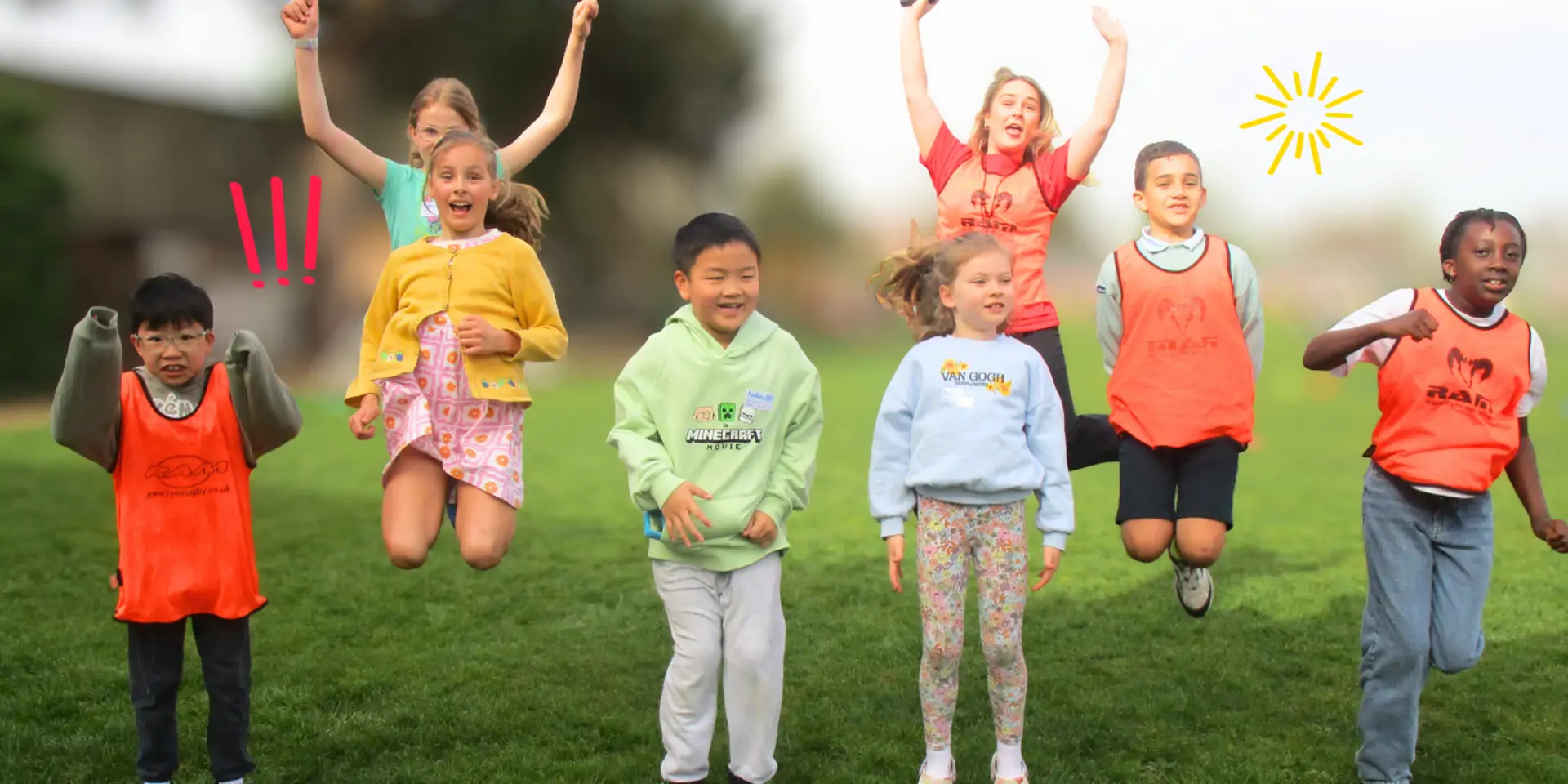
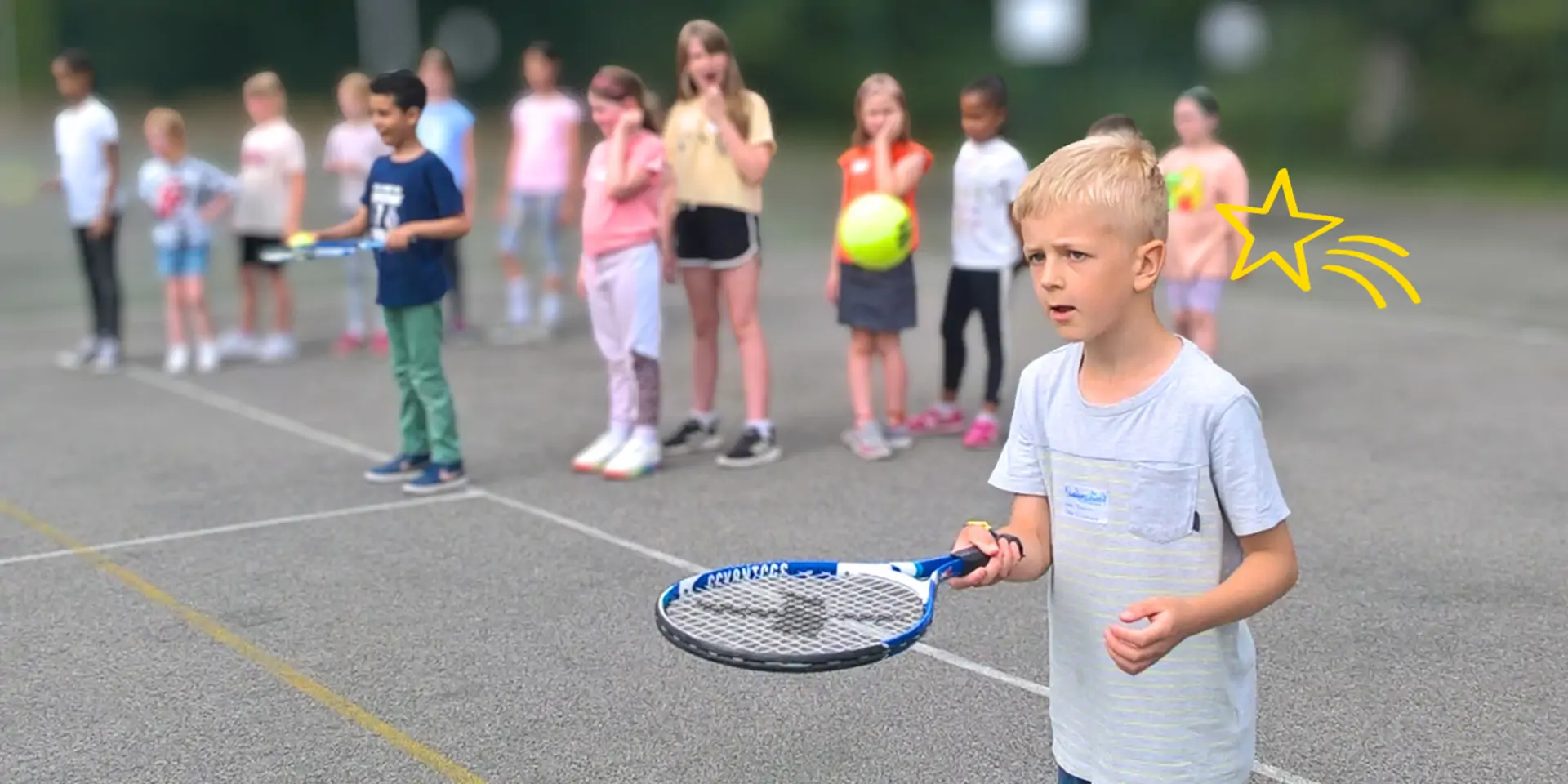
Barracudas camps offer a wide range of sporty and energetic activities that keep children moving, building strength, coordination and confidence, all while having fun.
Supporting Mental and Emotional Wellbeing
Alongside physical play, Barracudas provides creative and calming activities, including arts, crafts, yoga and mindfulness-inspired sessions, helping children relax, express themselves and reset emotionally.
Building Friendships and Social Confidence
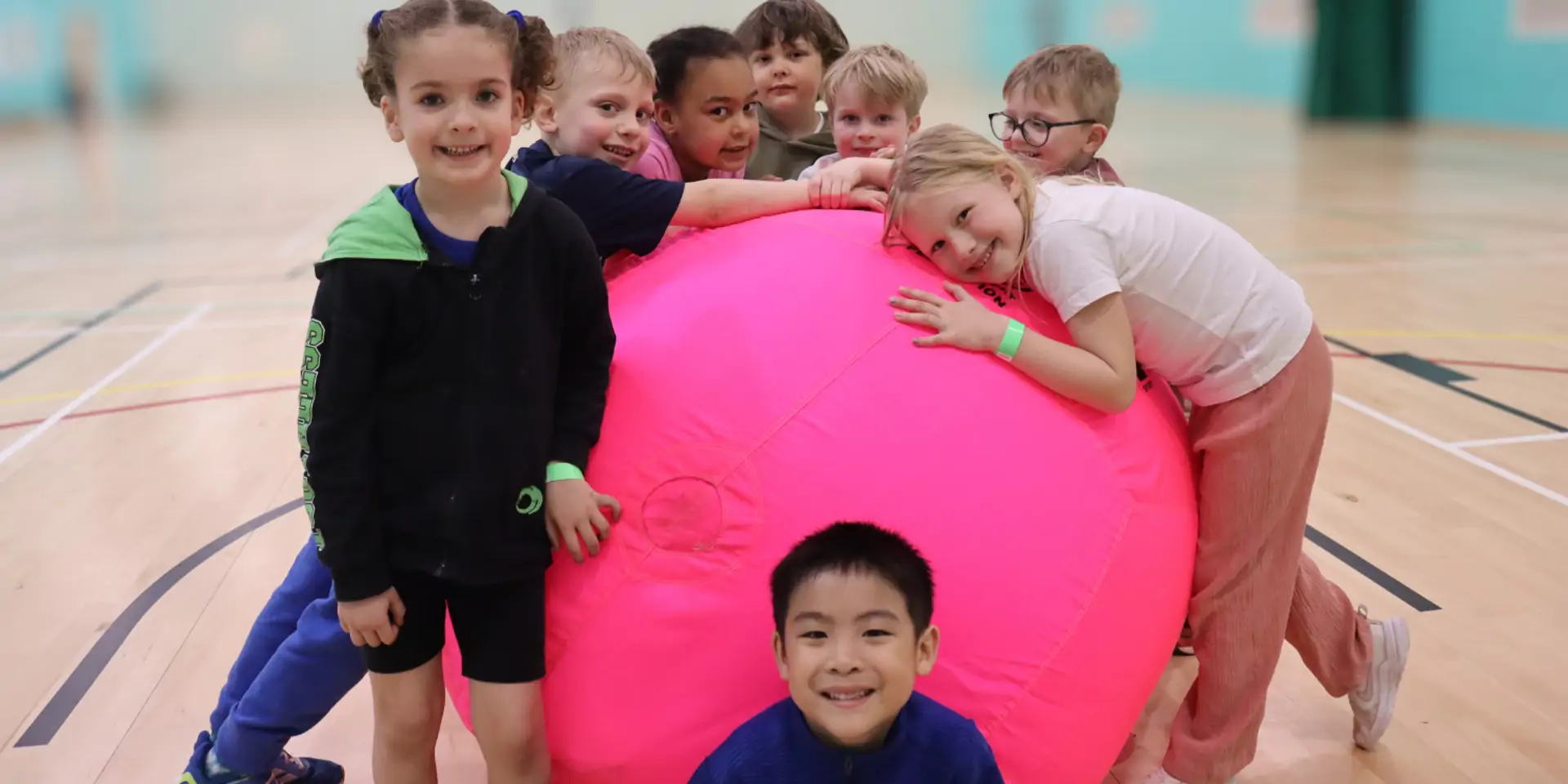
Holiday camps create opportunities for children to make new friends, work in teams and develop social skills in a supportive, inclusive environment; all essential for positive mental health.
Choice, Confidence and Independence
Children choose their activities for every session at Barracudas, empowering them to follow their interests and build self-esteem, a key factor in emotional resilience.
A Safe, Caring Environment
Experienced and enthusiastic staff ensure every child feels safe, supported and valued, creating a nurturing space where children can truly thrive. For additional reassurance; all our staff are enhance DBS checked, all our camps are Ofsted registered and we have an excellent Trustpilot rating, with over 1,800 parent reviews.
Barracudas holiday camps go beyond childcare. We actively promote healthy, happy and confident children, supporting both mental and physical health during the school holidays.
Final Thoughts
Supporting children’s mental and physical health isn’t about perfection, it’s about consistency, care and balance.
Whether it’s encouraging movement, talking openly about emotions, limiting screen time or choosing supportive environments like Barracudas school holiday camps, every small step helps your child grow into a happier, healthier individual.
You’re already doing more than you think and these tips are here to support you every step of the way.