Blog post content
Easy meditation tips for kids
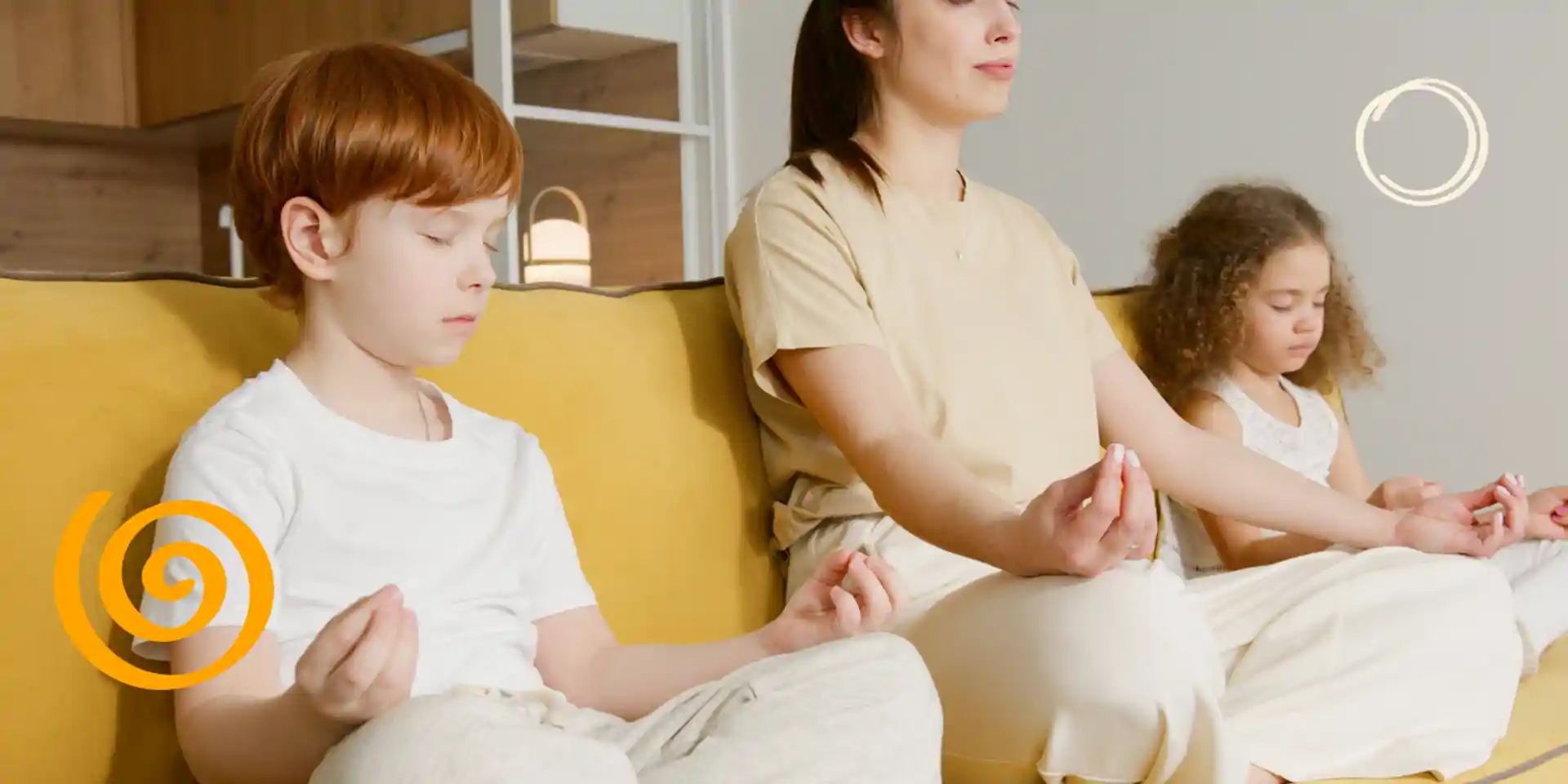
It's 5pm, you have tired hungry children at home after a long busy day at school, loaded up with homework to do tonight, but they're already over stimulated and over tired; sometimes you need a circuit breaker, a chance to take a few minutes out to restore the calm and balance (for you and them!).
Introducing children to meditation at an early age can be beneficial for their mental well-being, and can be adapted to their age and developmental stage.
As it's World Meditation Day on 21st May, dedicated to encouraging mindfulness and inner peace, we thought now would be a great time to share some tips for keeping meditation on their level:
Keep it short and simple
Young children have shorter attention spans, so start with brief meditation sessions. Aim for just a few minutes of guided meditation or mindfulness activities, to start and as children get older, you can gradually increase the length of time.
Make it playful
Why not try to incorporate elements of play and imagination into meditation sessions to keep children engaged? After all this is where children really shine. Use storytelling, visualizations, or guided imagery to create a sense of fun and adventure. For example, you can guide them on an imaginary journey to a peaceful garden or have them pretend to be their favourite animal while practicing deep breathing.
Use visual aids
Visual aids can help children understand and practice meditation techniques. Use objects like bubbles, a glitter jar, or even use a soft object like a teddy or cushion on their tummies to show their deep belly breathing.
Encourage movement
Meditation isn't just sitting still and being quiet, you can add a little variety for children, as we all know it can be tough for them to sit still for any length of time! Try to include gentle movements or stretches into their meditation practice. This can involve simple yoga poses, animal poses, mindful walking, or even dancing mindfully to help them focus their attention and release excess energy.
Provide guided meditations
Children may find it easier to follow along with guided meditations specifically designed for their age group. There are numerous resources available, including books, apps, and online platforms that offer guided meditations tailored for children.
Be consistent and patient
Like any new skill, meditation takes time to develop. Encourage regular practice, but don't force it. Make it a positive and enjoyable experience for your child. If they're not interested or resistant at first, try again later or explore different approaches that may resonate with them.
By introducing meditation in a way that resonates with their age and interests, you can help children develop lifelong coping mechanisms for managing their minds and emotions.
Take a look at these great meditation tips by age for more ways to get started.
Have fun with it as a new activity to try together at home. It works just as well for parents too!